Introduction
Sports rehabilitation is a fundamental component of the recovery process for elite athletes following an injury. The goal is not only to return the athlete to competition but also to fully restore the physical, technical, and psychological abilities required to perform at the highest level. Modern rehabilitation techniques integrate medical, physiotherapeutic, biomechanical, and psychological expertise, allowing for a highly personalized and multidisciplinary approach.
Initial Assessment and Recovery Planning
The first phase of rehabilitation involves a comprehensive evaluation of the injury. Through clinical examinations, diagnostic imaging, and functional tests, the medical team determines the extent of the damage and develops a specific recovery program.
For professional athletes, rehabilitation planning must take several factors into account:
- Age and level of athletic conditioning;
- Sport practiced;
- Playing position or role;
- Competition schedule;
- History of previous injuries.
This analysis helps establish progressive and measurable goals throughout the rehabilitation process.
Manual Therapy and Pain Management
In the early stages of recovery, controlling pain and inflammation is a top priority. Techniques such as manual therapy, therapeutic massage, and joint mobilization help restore mobility and reduce muscular tension.
The use of complementary tools, including cryotherapy, pneumatic compression, and electrical muscle stimulation, can further reduce swelling and improve local circulation, accelerating the healing process.
Therapeutic Exercise and Functional Recovery
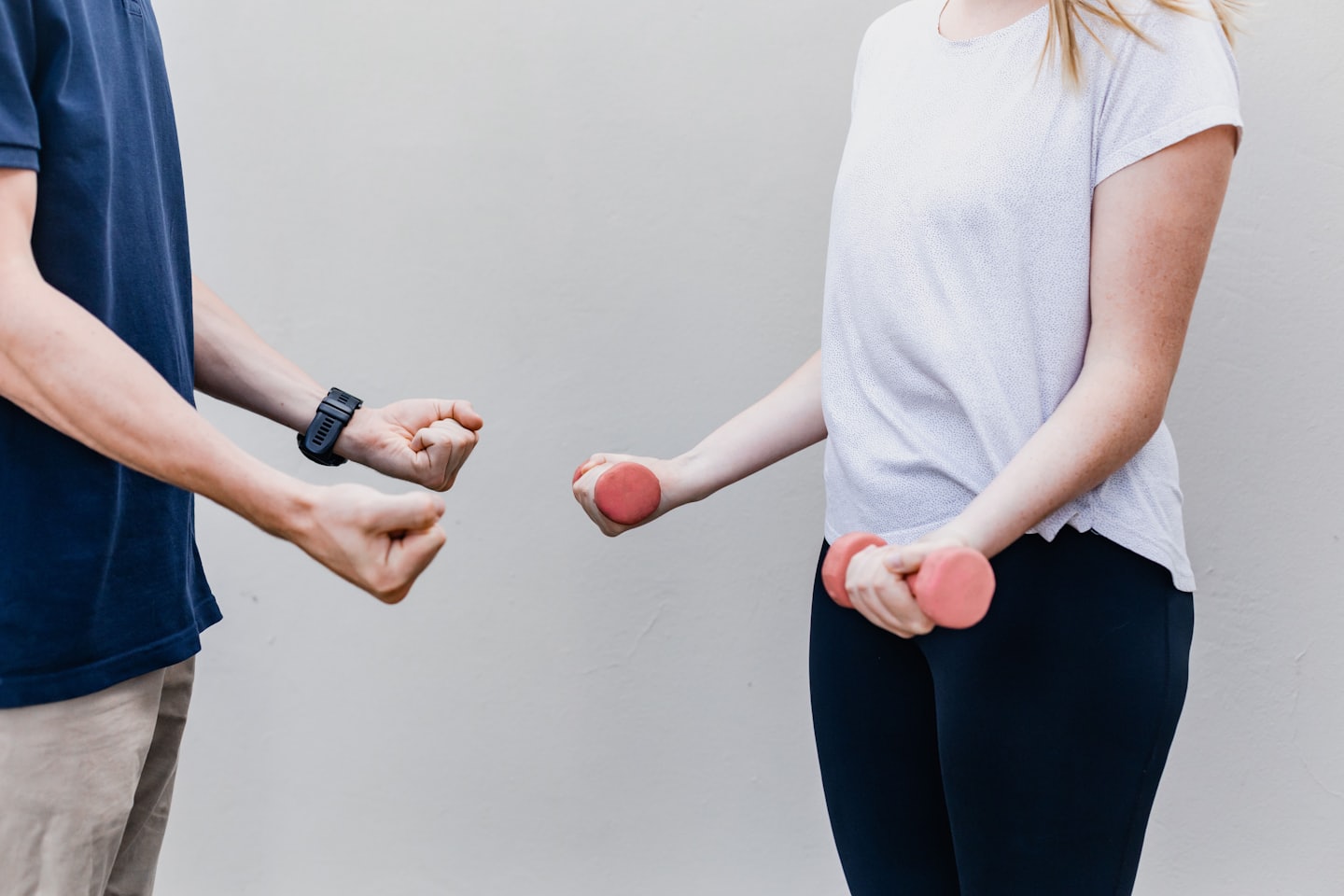
Therapeutic exercise is the cornerstone of modern sports rehabilitation. Through progressive and individualized programs, athletes regain strength, endurance, mobility, and coordination.
Strength Training
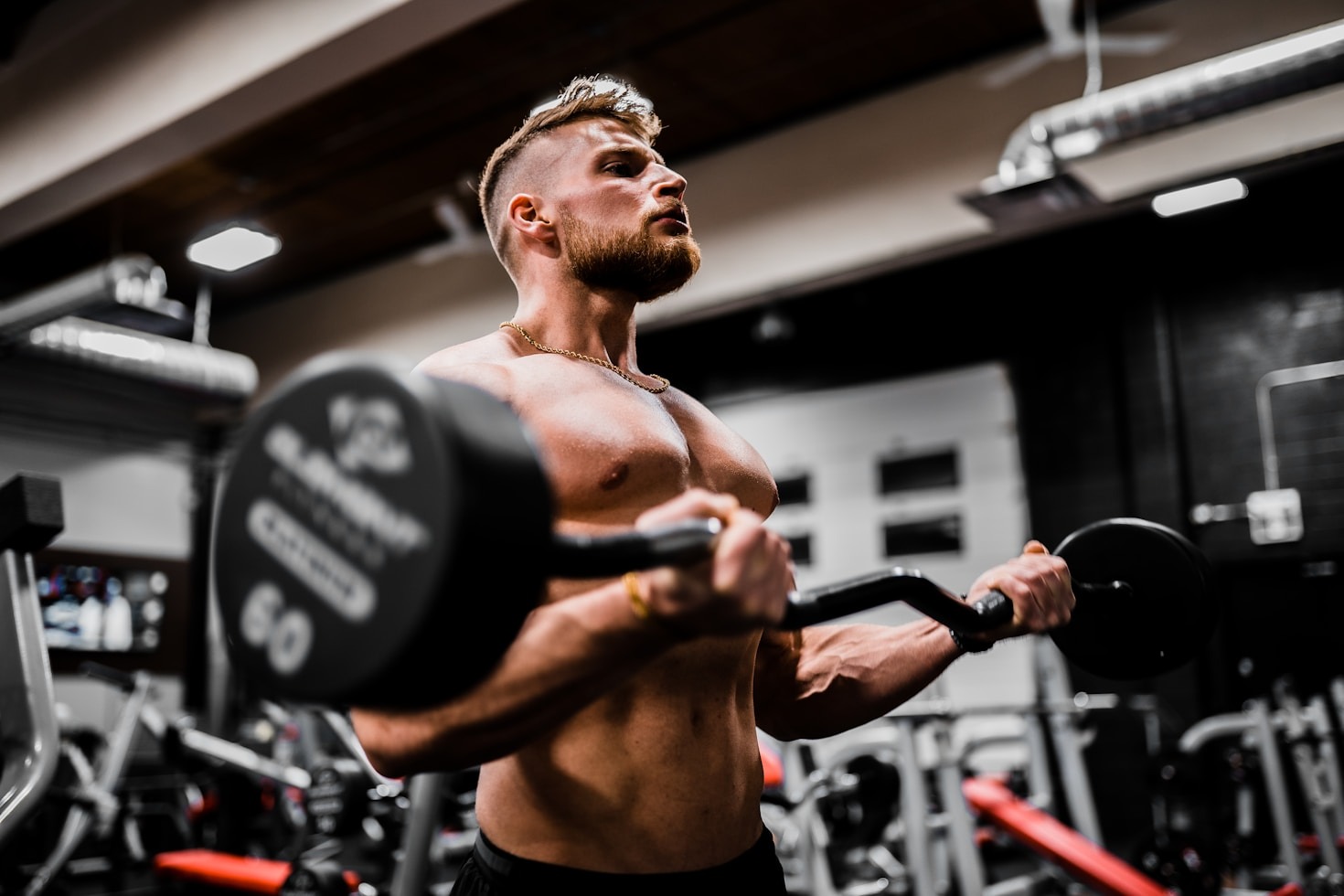
Strength exercises are introduced gradually, beginning with isometric contractions and progressing to dynamic movements with heavier loads. The aim is to restore muscular symmetry and minimize the risk of reinjury.
Proprioceptive Training
Proprioceptive exercises enhance neuromuscular control and joint stability. The use of unstable surfaces, balance boards, and equilibrium systems helps restore the athlete’s ability to react efficiently to movement demands.
Mobility Restoration
Active stretching, joint mobilization, and flexibility exercises are essential for recovering the full range of motion, which is often compromised after an injury.
Advanced Technologies in Rehabilitation
In recent years, technology has played an increasingly important role in the rehabilitation of elite athletes.
Biomechanical Analysis
Motion-capture systems and wearable sensors allow practitioners to analyze an athlete’s movements with great precision, identifying compensatory patterns and functional deficits.
Isokinetic Training and Testing
Isokinetic devices enable the evaluation and training of muscular strength through controlled and measurable movements, providing objective data on recovery progress.
Virtual Reality and Biofeedback
The use of virtual reality and biofeedback systems enhances motor learning and improves the recovery of sport-specific skills required for competitive performance.
Sport-Specific Rehabilitation
Once basic physical capacities have been restored, athletes progress to the sport-specific phase of rehabilitation. During this stage, technical skills and game situations are gradually reintroduced.
For example:
- Soccer players perform change-of-direction drills, sprint exercises, and ball-kicking activities.
- Tennis players progressively resume serving and returning movements.
- Basketball players focus on jumping, sudden stops, and rapid changes of pace.
The objective is to ensure a safe and effective return to competition.
Psychological Aspects of Recovery
The psychological component is often crucial to successful rehabilitation. Fear of reinjury, loss of confidence, and stress related to time away from competition can negatively affect recovery.
For this reason, many professional teams include sports psychologists who support athletes through:
- Visualization techniques;
- Anxiety management strategies;
- Goal setting;
- Motivation enhancement.
An athlete who is mentally prepared is generally better equipped to navigate rehabilitation and return to competitive play.
Return to Play: Back to Competition
The decision to clear an athlete for competition should not be based solely on the absence of pain. Modern return-to-play protocols rely on multidimensional criteria that include:
- Muscular strength assessment;
- Functional performance tests;
- Biomechanical analysis;
- Psychological readiness indicators;
- Comparison with pre-injury performance metrics.
Only when predetermined benchmarks are achieved can the risk of recurrence be minimized and a safe return to sport be ensured.
Conclusion
Rehabilitation for elite athletes is a complex process that requires multidisciplinary expertise, advanced technology, and highly individualized programs. The integration of sports medicine, physiotherapy, strength and conditioning, and psychological support not only facilitates recovery from injury but also optimizes future performance. In an increasingly competitive sporting environment, effective rehabilitation is a critical investment in both athletic longevity and long-term success.

“Rehabilitation is not simply about returning an athlete to sport, but about returning them to performance.”
— Clare Ardern, Sports Physical Therapist and Researcher
Leave a Reply